Beyond Billboards: What Out-of-Home Advertising Delivers for Brands
This is part one of a three-part series on the hidden realities of out-of-home advertising to kick off The Resize Guys’ new blog. Our blog will offer post-creative production tips, insights and case studies for marketing professionals who produce large, omni-channel advertising campaigns.
More Than Billboards
I’ve worked on countless out-of-home (OOH) advertising campaigns over the years, and one thing I can tell you is this:
Most people think OOH is about billboards.
It’s not.
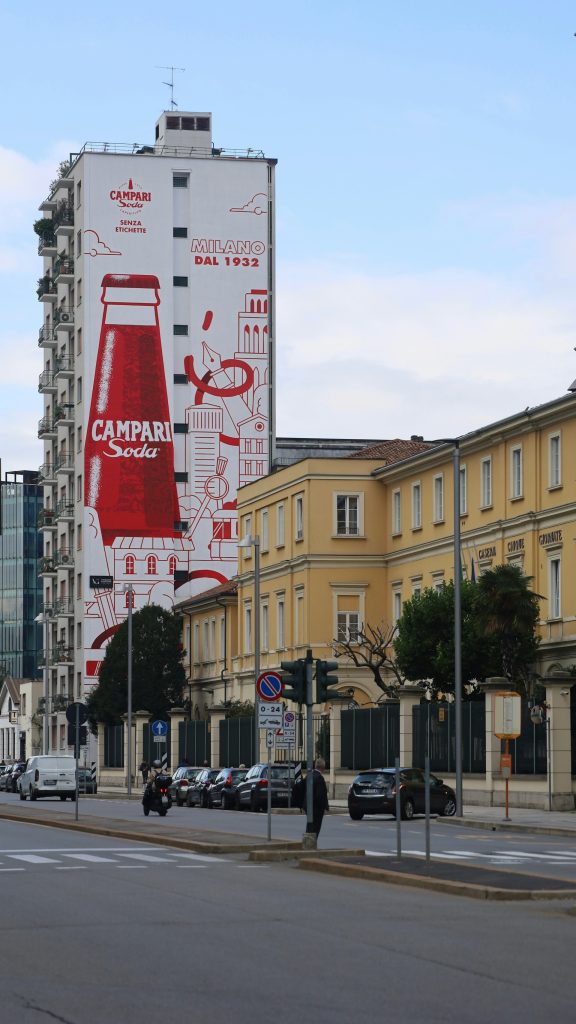
OOH is about making brands visible in the physical world. But that’s only the beginning. What makes out-of-home advertising powerful isn’t just visibility. It’s presence.
A strong OOH campaign makes a brand feel established. It creates familiarity at scale. It puts a company into the physical world in a way digital advertising often can’t. When you start seeing a brand on billboards during your commute, on screens in airports, or throughout a city, your perception of that company changes. It feels bigger. More established. More real.
I’ve seen brands like Airbnb and Uber completely change how they’re perceived once they move into OOH advertising. A well-placed OOH campaign or retail media rollout can instantly change the scale at which people experience the brand. And it’s not just about exposure and reach. It’s also about brand elevation and establishing permanence.
That’s one of the reasons we’re seeing more brands invest in out-of-home advertising much earlier than they used to.
Why OOH Works Best as Part of an Omnichannel Strategy
Years ago, OOH was often viewed as something large, established brands did after they had already achieved significant scale. Today, we’re seeing growth-stage companies, challenger brands, and direct-to-consumer players move into transit advertising, retail media, digital out-of-home screens, experiential activations, airport placements, and large-format campaigns much earlier in their growth cycle.
Many of these companies have built successful businesses through digital marketing alone. Eventually, they reach a point where digital isn’t enough to support their growth goals. They want broader visibility, stronger brand recognition, and more authority in the marketplace. Out-of-home advertising helps create that.
That’s how out-of-home fits so naturally into an omnichannel strategy.
Effective OOH campaigns almost never operate on their own. They amplify and reinforce social campaigns, digital advertising, retail media, experiential efforts, and other marketing channels. When the messaging is consistent across all of those touchpoints, brands build recognition faster and campaigns feel more cohesive.
But behind every successful OOH campaign is an invisible production process that determines whether the campaign launches successfully or not. That means flawless post-creative production for billboards, transit stations, bus shelters, retail media networks, airport signage, digital displays, street furniture, stadium placements, and many other physical advertising environments.
The Production Process Is Where Campaigns Succeed or Fail
What I think many teams miss, especially those entering OOH for the first time, is that physical media comes with physical-world constraints and consequences.
Specs matter.
Timelines matter.
Production details matter.
Once media is booked, the launch date becomes very real very quickly.
That’s one of the things I find most interesting about out-of-home advertising. Unlike digital campaigns, where changes can often be made relatively quickly, OOH requires a level of planning and coordination that many marketers don’t fully appreciate until they’re in the middle of it.
Consumers rarely think about any of this. They see the billboard, the transit ad, the airport display, or the digital screen and assume it appeared there exactly as planned.
Sometimes it did.
But behind every successful OOH campaign is a lot more coordination than most people realize.
The billboard is the visible part.
The production process behind it is where campaigns are either won quietly or lost publicly.
And that’s where the story of out-of-home advertising becomes much more interesting. Most marketers spend their time discussing creative and media. The campaigns that fail are usually lost somewhere in between.
In our next post, we’ll look at the hidden operational challenges behind modern OOH campaigns.

About The Author
Michael Brady is the founder and managing partner of The Resize Guys, a multimedia production company specializing in scalable execution for agencies, brands, and media teams. With 20+ years leading advertising production studios, he is known for delivering flawless assets across print, digital, and OOH campaigns, from social launches to highway billboard and digital product agency rollouts.